
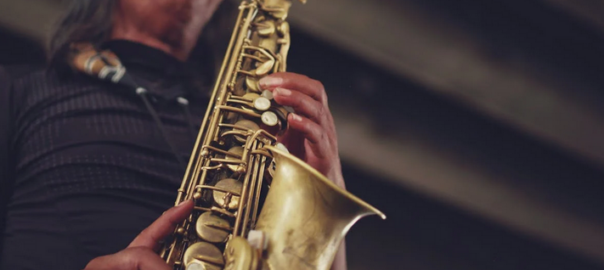
When the last customers leave, and the city begins to slow down, a different kind of music scene quietly comes alive. Late-night jazz sessions—often called “after-hours” or “jam sessions”—are where musicians loosen the rules, stretch their creativity, and explore sounds that rarely appear in formal concerts. These gatherings aren’t always advertised, and many happen in dimly lit clubs, rehearsal rooms, or tucked-away bars. For jazz lovers and musicians alike, the hours after midnight hold a special kind of magic where improvisation reigns, and musical boundaries fade.
The Culture of the Midnight Jam
Late-night jazz culture has always thrived on spontaneity. Musicians from different bands, backgrounds, and skill levels often gather after their regular gigs to keep playing simply because they love the music. It’s not unusual for a drummer who finished a club set at 11 p.m. to show up somewhere else at 1 a.m. just to sit in with a new group. These sessions are relaxed but also deeply creative. Players challenge each other musically, trading solos, experimenting with rhythm, and pushing songs into unexpected directions. Even musicians who first discovered jazz 2007 often find that live jam sessions reveal a completely different side of the genre—one where every performance is unique and unrehearsed.
Why Musicians Love Playing After Hours
For many jazz artists, the real freedom begins once the official show is over. During a scheduled performance, there might be expectations from the venue, the audience, or the bandleader. Late-night sessions remove much of that pressure. In these quieter hours, musicians can test new ideas without worrying about perfection. A pianist might explore unusual chord progressions, while a saxophonist experiments with phrasing that would feel risky in a formal concert. The atmosphere encourages curiosity, and mistakes often turn into creative breakthroughs. That sense of exploration keeps the music alive and evolving.
The Atmosphere of Late-Night Jazz Clubs

Part of the appeal of midnight improvisation comes from the environment itself. Late-night jazz venues often feel intimate and almost secretive. The lighting is soft, conversations are quieter, and the focus naturally shifts to the stage. Listeners who stay this late are usually passionate about music, which creates a shared sense of appreciation in the room. Musicians can feel that energy immediately. Instead of performing for a crowd that might be distracted by dinner or drinks, they’re playing for people who are truly listening. That connection often pushes performances into deeper emotional territory.
Improvisation as Musical Conversation
Jazz improvisation is often described as a conversation, and late-night sessions highlight that idea perfectly. Each instrument responds to the others, creating a musical dialogue that evolves in real time. A bassist might introduce a subtle rhythmic change, inspiring the drummer to shift the groove. The pianist responds with new harmonies, and suddenly the entire band moves in a fresh direction. No sheet music dictates the outcome. The musicians simply listen, react, and build something together. In those moments, jazz becomes less about individual performance and more about collective creativity.


 ng impractical. For instance, an artist that we will not be naming refuses to be picked with cars that are not of an individual manufacturer from the airport. Being impractical makes people lose respect for you and see you as immature, therefore, whenever a challenge arises, try and be reasonable, including providing solutions of you have any. People like musicians that they can relate to and see as being intelligent. Therefore remember to be a nice person, especially to people that deserve it.…